


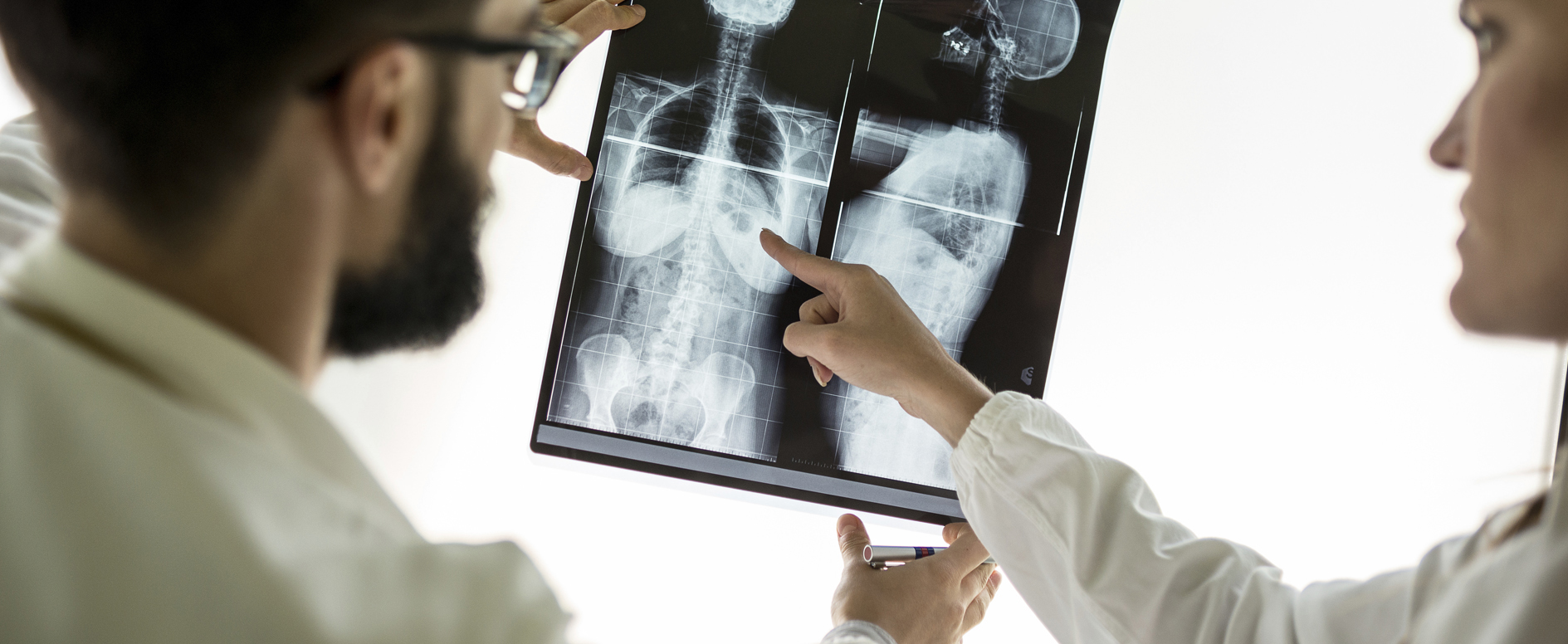
The goal of the initial follow up visits after completing radiation are to ensure the proper management of any acute side effects you’ve experienced during or shortly after the treatment. Additionally, your radiation oncologist may set you up with additional tests to determine how well the radiation worked and if other treatments are necessary.
One of the most important tests that are used to monitor your breast cancer after radiation treatment is a diagnostic mammogram. This test is ordered for any breast that remains intact after your cancer treatment (meaning, it has not undergone a mastectomy, or complete removal of the breast tissue). Some patients with dense breast tissue or irregularities diagnosed on preoperative MRIs may also be recommended to undergo breast MRIs every year, alternating with the mammograms. The timing and subsequent interpretation of your breast imaging can be complex, especially given some patients can continue to have changes identified due to the treatment itself. So please discuss the role of breast imaging with your doctor if you have any questions.
Other additional tests that your oncology team may order are dependent on the extent of your cancer, the treatment you received, and any symptoms you may be experiencing at the time. This may include additional diagnostic tests such as CT scans, MRIs or PET scans, an echocardiogram to evaluate your heart function (particularly if you’ve received trastuzumab [Herceptin]), DEXA scan to evaluate your bone density, and lab work to ensure your blood counts and electrolytes return to your pretreatment levels. Reports indicating the outcome of such tests may be sent to the other doctors helping to treat your cancer.
Continued follow-up in the radiation oncology clinic is often recommended for several years after treatment completion. During this time, your Radiation Oncologist will evaluate for long-term side effects of radiation therapy and to ensure that the cancer does not return. As time goes by, the number of times you need to visit your radiation oncologist throughout the years will decrease. However, you should know that your radiation oncology team will always be available should you need to speak to someone about your treatment.

Copyright ASTRO
Privacy Policy
Terms of Use

251 18th Street South
8th Floor
Arlington, VA 22202
Telephone: 703-502-1550
www.astro.org
This section does not use cookies for tracking. By moving outside of this area, you will be moving to pages that store cookies to improve functionality.
Click "Continue" to proceed.